.png)


WHAT HAPPENS IF I SLEEP WITHOUT A PILLOW?
- Paula Gospodinova
- 11 jun 2024
- 3 min de lectura

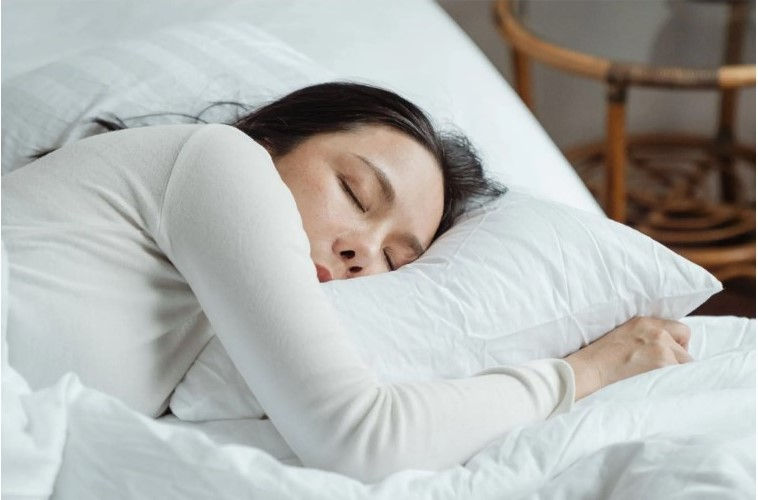
Sleep is a fundamental part of our lives, and the choice of our sleep accessories can make a big difference in the quality of sleep. The National Sleep Foundation recommends adults sleep between 7 and 9 hours per night, although this can vary depending on lifestyle.
Many times sleep is interrupted by our mattress. Its structure may not adapt to the body, thus causing pain and uncomfortable awakenings that do not allow a restful rest. One of the elements that we often overlook, but that has a significant impact on rest, is the pillow. Many of us sometimes wonder what would happen if we decided to do without it in bed. In this post, we'll explore the effects of sleeping without a pillow, from how it affects posture and health to the possible advantages and disadvantages of this seemingly simple choice.
If you have ever asked yourself this question or are simply looking for tips to improve your sleep, read on!
Pillow, the underrated accessory
The reality is that “the pillow is the most personal element of the rest equipment,” explains Asocama (Spanish Bed Association) Many times we think that pillows are eternal.
But the reality is that its continuous use and manufacturing material causes it to deteriorate. It is therefore important to change your pillow every 1-2 years.
Furthermore, the choice of this accessory is very important, as you have already read in other posts on this blog. The user must choose one that adapts to their sleeping position. When choosing a pillow you should keep in mind that: It should allow you to breathe well. Keep your spine straight. Choose a pillow with a height of 10-15 centimeters (depending on your posture). Relieve pressure on the neck and jaw.
Effects of sleeping without a pillow
Sleeping without a pillow can have different effects on each person, as it depends on several factors, such as sleeping posture, the individual's health, and personal preferences.
It is important to note that there are people who prefer to sleep without a pillow and do not experience health problems.
Sleeping without a pillow can reduce the risk of allergies and relieve pressure on facial nerves and neck arteries. Even so, it would only be advisable to sleep without a pillow if you are used to sleeping on your back, on a mattress that relieves pressure points. Also in the case of children and newborns, an age where the spine is still flexible (even so, its use is recommended) For most people, the use of a pillow is essential to maintain a natural posture during the night. These are the negative effects that you can experience on your body if you sleep without a pillow: Neck and back pain.
A pillow provides support for the neck and head, aligning the spine.
If you are more of a back or side sleeper, not having an adequate pillow can lead to poor alignment, causing neck and back pain.
Difficulty breathing.
Sleeping without a pillow could cause your head to tilt back, blocking your airways and making it difficult to breathe. This is especially relevant if you suffer from sleep apnea or other breathing disorders. Aggravation of existing health problems.
Those who suffer from problems such as acid reflux, sinusitis, allergies or nasal congestion may experience worsening symptoms. Facial wrinkles. When you do not use a pillow, your face is in direct contact with the surface of the bed. This could lead to more wrinkles appearing over time. Increased snoring. In some cases, it can promote the appearance of snoring, especially if the head and neck are not in an optimal position.


Wow!😯😯